The Power of Timing: Entering a Business Opportunity at the Right Moment
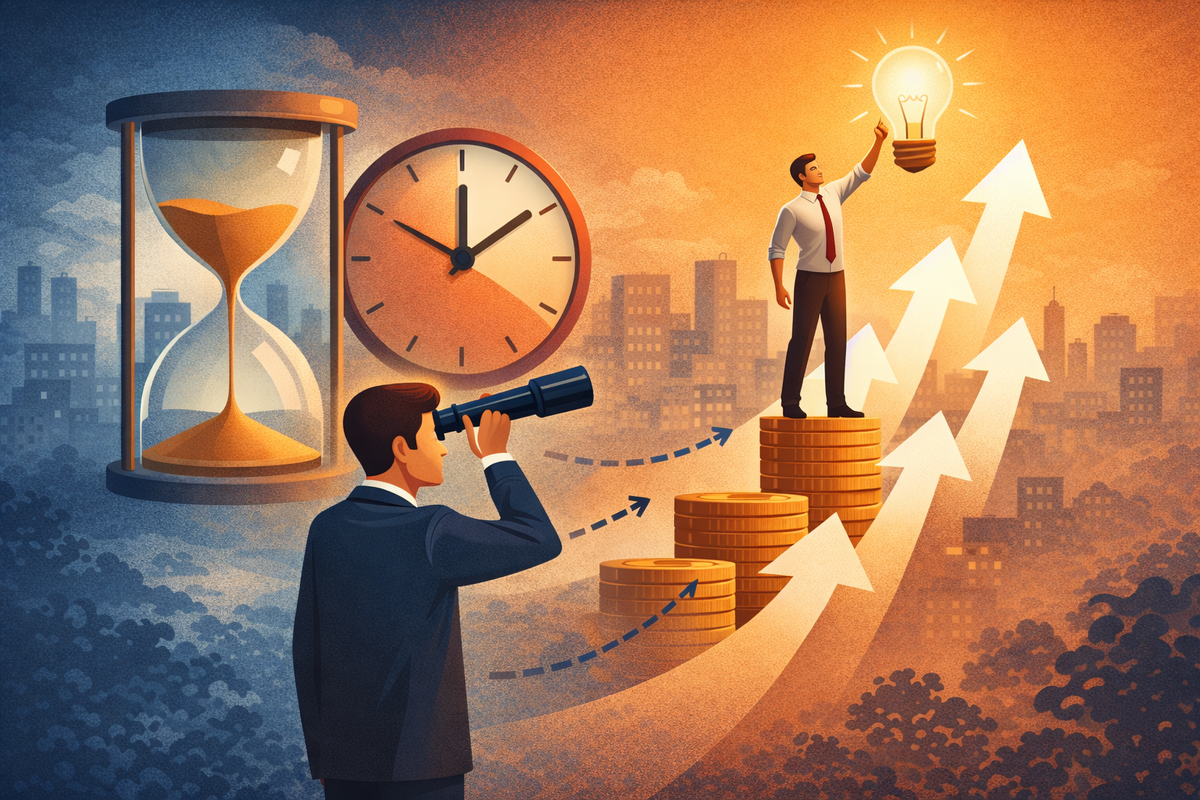
In business, success is not only about having a great idea. Many brilliant ideas fail simply because they appear at the wrong time. Timing plays a crucial role in determining whether a business opportunity becomes a breakthrough or a missed chance.
Understanding when to act can be just as important as knowing what to do.
Why Timing Matters More Than You Think
Markets move in cycles. Technology evolves, customer behavior changes, and economic conditions shift. A business launched too early may struggle to educate the market. Launched too late, it may face overwhelming competition.
Right timing allows you to:
- ride a growing trend
- meet customers when demand is rising
- avoid unnecessary resistance
Many successful businesses didn’t invent something new, they entered at the perfect moment.
Too Early vs Too Late
Entering Too Early
Being early sounds exciting, but it comes with risks:
- customers may not understand the product
- infrastructure may not exist
- costs are higher due to market education
Many early innovators fail not because their ideas are bad, but because the market isn’t ready.
Entering Too Late
When a market is already mature:
- competition is intense
- profit margins shrink
- differentiation becomes difficult
Late entry often requires large marketing budgets just to get noticed.
The Sweet Spot: When Timing Is Right
The ideal moment is when:
- awareness is growing
- early adopters have validated demand
- technology or platforms are accessible
- competition is present but not dominant
This is the stage where momentum begins and smart entrepreneurs step in.
Signals That an Opportunity Is Emerging
Timing isn’t guesswork. There are clear signals to watch for:
- increasing online searches and discussions
- growing communities around a topic
- early success stories appearing
- big companies starting to pay attention
These signs indicate that demand exists but is not yet saturated.
Timing Beats Perfection
Many entrepreneurs wait too long trying to perfect their product. Meanwhile, others launch early, learn fast, and adapt.
Speed combined with timing often beats perfection.
Entering at the right moment allows you to:
- gather real customer feedback
- iterate quickly
- build brand presence early
Action creates clarity.
Examples of Perfect Timing
- Ride-sharing apps succeeded when smartphones and GPS became widespread
- Streaming services took off when internet speeds improved
- Online education boomed when remote work and digital tools became normal
In each case, technology existed earlier — but adoption made the difference.
How to Improve Your Timing
You can’t control the market, but you can improve your sense of timing:
- follow industry trends consistently
- listen closely to customer problems
- test ideas in small ways
- stay flexible and ready to pivot
Good timing comes from awareness, not luck.
The right idea at the wrong time can fail.
An average idea at the right time can succeed.
The power of timing lies in recognizing momentum and acting before the window closes. Entrepreneurs who understand timing don’t wait for perfect conditions, they move when the opportunity is alive.
In business, when you act often determines how far you go.